If your “thought leadership” sounds like a recap, you’re subsidizing competitors’ brands. Real authority comes from defensible points of view that shape decisions, not polished opinions dressed up as insights.
Most programs ship content without sufficient evidence, bias checks, or distribution discipline. The result? Noise that fails to influence the decisions that matter.
Thought leadership is a defensible POV backed by evidence and utility. It’s not content marketing with a bigger word count. It’s analysis that helps readers make better decisions in their specific context.
- Content marketing drives awareness and engagement through helpful information
- Thought leadership stakes a position on how decisions should be made
- Content marketing optimizes for reach and shares
- Thought leadership optimizes for influence among decision-makers
- Content marketing answers questions readers already have
- Thought leadership reframes the questions readers should be asking
Four Types of Thought Leadership
Different situations call for different approaches. Visionary leadership identifies emerging trends before they become obvious. Analytical leadership synthesizes complex data into actionable frameworks.
Methodological leadership introduces new processes or models that solve persistent problems. Contrarian leadership challenges conventional wisdom when evidence supports a different path.
Each type requires different evidence standards. Visionary takes need early signals and pattern recognition. Analytical takes need rigorous data and transparent methodology. Methodological takes need replicable results. Contrarian takes need exceptional evidence to overcome status quo bias.
The POV Pyramid Framework
Strong thought leadership follows a three-layer structure. The base establishes problem framing and stakes. The middle builds the evidence ladder. The top delivers an actionable model readers can apply.
Base Layer: Problem Framing
Start by defining the decision your audience faces and why current approaches fall short. Quantify the cost of poor decisions in their context.
- What decision are you helping readers make better?
- What constraints do they operate under?
- What failure modes do current approaches create?
- What’s at stake if they continue with status quo?
Middle Layer: Evidence Ladder
Build your case with graded sources. Original research carries the most weight. Customer panels, proprietary datasets, and field studies establish unique insight.
Third-party studies from reputable sources add credibility. Expert interviews provide practitioner perspective. Each source type serves a different purpose in your argument.
- Grade sources by recency, sample quality, and replicability
- Cite multiple independent sources for high-stakes claims
- Document dissenting views and why you didn’t adopt them
- Trace every claim to a specific source
- Publish limitations and conditions for validity
Top Layer: Actionable Model
Deliver a framework, decision rule, or process readers can implement. The best models are simple enough to remember and specific enough to apply.
Include worked examples showing the model in action. Specify when the model applies and when it doesn’t. Provide clear next steps for implementation.
Evidence Grading and Bias Reduction
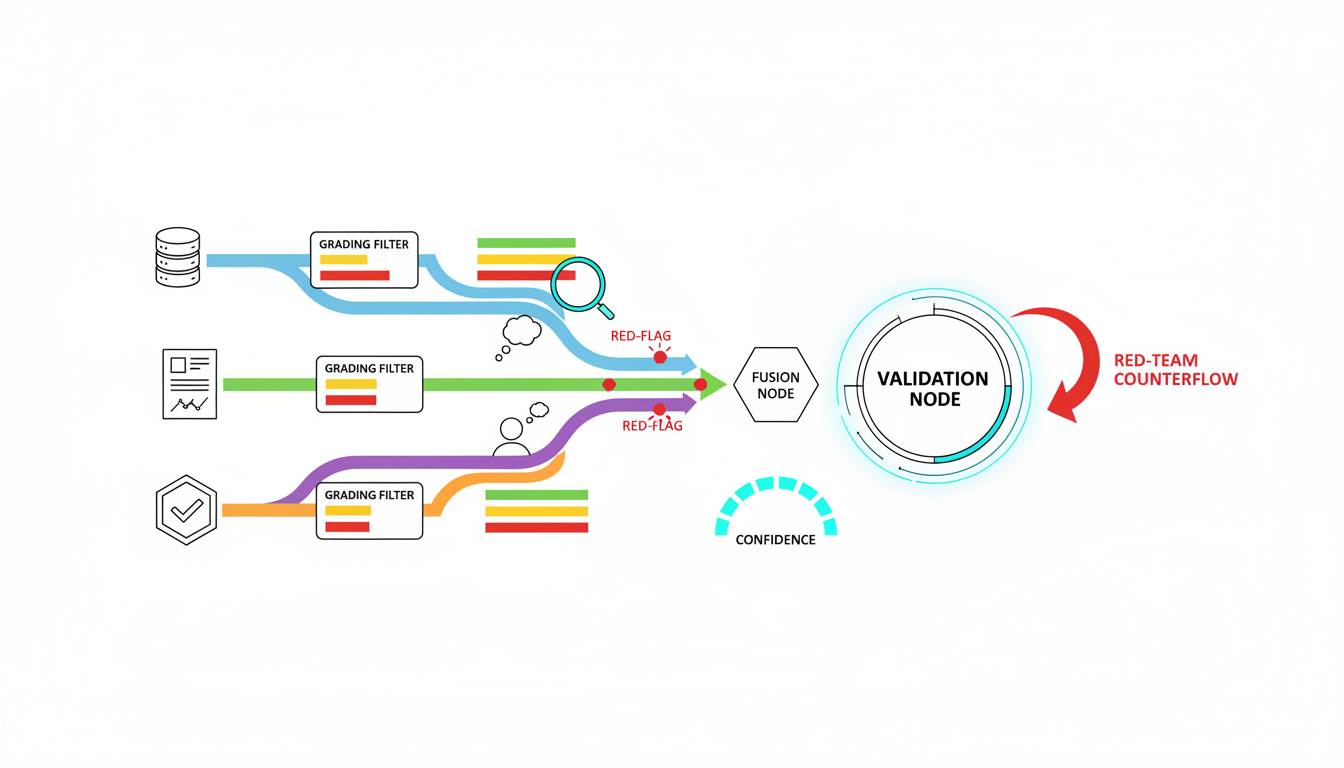
Single-source analysis creates blind spots. Strong thought leadership uses multi-expert synthesis to stress-test assumptions and surface hidden biases.
When you orchestrate multiple AI models to analyze the same problem, you expose gaps in reasoning and uncover perspectives a single model might miss.
Source Quality Assessment
Not all evidence carries equal weight. Grade sources systematically before building your argument.
- Recency: Data older than 18 months needs validation in fast-moving domains
- Sample quality: Representative samples beat convenient samples
- Replicability: Can others verify your findings with similar methods?
- Domain authority: Track record of the source in this specific area
- Funding transparency: Who paid for the research and what incentives exist?
Bias Detection Methods
Use structured debate to identify weak reasoning. Multi-model analysis reveals assumptions that single-source reviews miss.
Run red-team prompts against each key claim. What evidence would disprove this? What alternative explanations exist? Where does confirmation bias show up?
- List the core assumptions behind your POV
- Generate counterarguments for each assumption
- Grade the strength of each counterargument
- Revise your POV or document why counterarguments don’t hold
- Publish the strongest objections you couldn’t fully resolve
Research and Synthesis Workflow

Decision-validated thought leadership starts with clear objectives. Define the specific decision you want to influence and the audience’s constraints.
Research Planning Phase
Create a research plan before diving into analysis. Identify datasets, expert sources, and counterpositions worth investigating.
- What data exists on this topic and where can you access it?
- Which experts have relevant field experience?
- What counterarguments should you investigate?
- What edge cases might invalidate your thesis?
Multi-Expert Synthesis
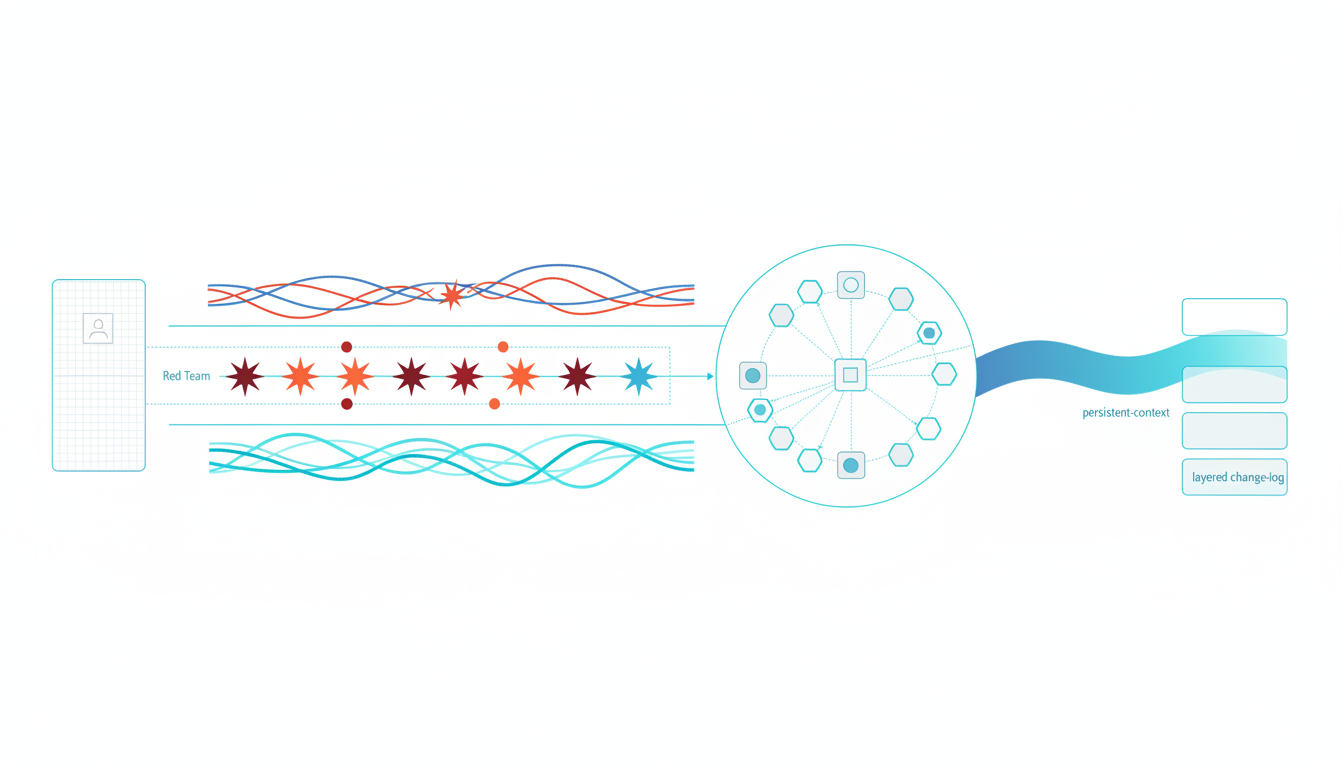
Run simultaneous analysis across multiple perspectives. Debate mode surfaces disagreements. Red Team mode stress-tests your reasoning. Super Mind mode synthesizes convergences.
Maintain persistent context across research sessions. Track how your thinking evolves as you encounter new evidence.
Map claims to sources using structured documentation. Visual relationship mapping helps you spot gaps in your evidence chain.
- Run parallel analysis with different analytical lenses
- Document points of agreement and irreducible disagreements
- Identify which disagreements matter for your audience’s decisions
- Synthesize a position that acknowledges key tensions
- Grade confidence levels for different parts of your argument
Drafting with Evidence Integrity
Draft your POV with a clear model, worked examples, and explicit limitations. Strong thought leadership acknowledges what it doesn’t prove.
Every high-stakes claim needs three independent sources. Document your reasoning process and the alternatives you considered. Maintain a visible change log as your thinking evolves.
Packaging and Distribution Strategy
Thought leadership needs different packaging for different channels. Your primary asset is a comprehensive article with skim-friendly formatting.
Content Formats
Create an executive brief that distills your thesis into one page. Include the decision at stake, your recommended approach, and supporting evidence summary.
- 2,000-3,000 word anchor article with visual frameworks
- One-page executive brief with thesis and recommended actions
- LinkedIn thread breaking down key insights
- Presentation deck for speaking opportunities
- Data visualization highlighting core findings
Channel Strategy
Different channels serve different purposes in your distribution plan. LinkedIn builds initial awareness. Earned media establishes credibility. Analyst relations influences enterprise buyers.
Podcast appearances let you explain nuance that written content can’t capture. Bylines in industry publications reach decision-makers who don’t follow social media.
- LinkedIn: Weekly snippets, monthly anchor pieces
- Earned media: Quarterly pitches tied to news cycles
- Analyst relations: Briefings with fresh research
- Speaking circuit: Conference proposals six months ahead
- Email: Monthly digest to engaged subscribers
Distribution Cadence
Consistent cadence matters more than volume. Weekly snippets maintain visibility. Monthly anchor pieces establish depth. Quarterly research drops create momentum.
Time distribution around industry events, earnings seasons, or regulatory changes. Fresh analysis during high-attention moments gets more traction.
Implementation Steps and Templates
Start with a focused SME interview sprint. Ninety minutes with the right expert yields more insight than days of desk research.
SME Interview Framework
Structure interviews to extract decision context first, then evidence, then edge cases. End with soundbite testing to validate messaging.
- First 30 minutes: Problem stakes and common failure modes
- Next 30 minutes: Evidence inventory and research gaps
- Next 20 minutes: Counterarguments and edge cases
- Final 10 minutes: Soundbite and headline testing
Bias-Resistant Drafting Checklist
Run structured validation before publishing. Red-team your key claims. Document dissenting views and why you didn’t adopt them.
- Run red-team analysis on each key claim
- Cite three independent sources for high-stakes assertions
- Document the strongest counterarguments
- Explain why you didn’t adopt dissenting views
- Publish explicit limitations and validity conditions
30-60-90 Day Rollout Plan
Month one focuses on establishing your POV. Month two expands distribution. Month three measures influence and refines approach.
- 30 days: One anchor piece, four LinkedIn posts, one podcast pitch
- 60 days: One mini-study, four derivative posts, two byline submissions
- 90 days: One webinar, analyst brief, updated anchor piece
Measurement and Attribution
Vanity metrics don’t capture thought leadership impact. Track leading indicators that predict downstream influence.
Leading Indicators
Save-to-read actions signal intent to reference later. Expert reshares indicate peer validation. Byline acceptances show editorial credibility.
- Save and bookmark actions
- Reshares from domain experts
- Byline acceptances from tier-one publications
- Speaking invitations from industry events
- Analyst briefing requests
Mid-Funnel Signals
Demo requests influenced by specific content show commercial impact. Analyst briefings create enterprise buyer awareness. Partner collaboration invites indicate ecosystem influence.
Track which content pieces drive engagement with your product capabilities. Monitor clicks to feature pages and use case examples.
- Demo requests mentioning specific insights
- Analyst briefings and inclusion in reports
- Partnership and collaboration invites
- Sales conversations referencing your POV
- Customer success stories citing your frameworks
Lagging Indicators
Pipeline influence shows up in deal velocity and win rates. Premium pricing support appears when prospects reference your analysis. Brand preference emerges in competitive evaluations.
Watch this video about thought leadership:
Attribution requires tracking content touchpoints throughout the buyer journey. Note which pieces appear in closed-won opportunities.
Role-Specific Applications
Thought leadership workflows adapt to different domains. Investment analysis requires triangulating theses with multiple data sources.
Investment Research Example
Analysts use structured debate to stress-test investment theses. Multiple models examine the same opportunity from different angles. Super Mind synthesis identifies consensus views and irreducible disagreements.
Document your analytical process and source chain. Investors value transparency about how you reached conclusions.
Legal Analysis Application
Legal research and commentary benefits from systematic precedent mapping. Extract relevant cases and map their relationships to current matters.
Multi-expert analysis reveals gaps in reasoning and alternative interpretations. Red-team your arguments before opposing counsel does.
B2B SaaS Positioning
Contrarian POVs on pricing models or value metrics cut through market noise. Back your position with original customer research.
Panel data from your customer base provides unique insight competitors can’t replicate. Transparent methodology builds credibility.
Scaling Production Without Dilution
Volume without quality destroys thought leadership value. Build specialized teams to support your editorial process.
Editorial Operations
Create repeatable workflows for research, validation, and packaging. Template common structures while allowing flexibility for unique insights.
- Research brief template with decision focus and evidence requirements
- Validation checklist for bias detection and source grading
- Packaging guidelines for different channels and formats
- Distribution calendar with channel-specific cadences
- Attribution tracking for measuring influence
Quality Gates
Every piece passes through structured validation before publication. Check evidence quality, bias exposure, and actionability.
- Evidence grade: Do sources meet quality standards?
- Bias check: Have you run red-team analysis?
- Actionability test: Can readers apply this framework?
- Limitation disclosure: Are boundaries clearly stated?
- Source traceability: Can readers verify claims?
Context Management
Maintain message discipline across content pieces. Track how your POV evolves as you gather new evidence. Document changes and explain why your thinking shifted.
Persistent context prevents contradictions and helps you build on previous analysis. Version control shows intellectual honesty.
Common Pitfalls and Solutions
Most thought leadership fails because it prioritizes volume over defensibility. Shipping weak analysis faster doesn’t build authority.
Pitfall: Shallow Research
Surface-level analysis that recaps existing content creates no differentiation. Invest time in original research or unique synthesis.
Solution: Dedicate resources to primary research, expert interviews, or proprietary data analysis. Build evidence competitors can’t easily replicate.
Pitfall: Single-Source Bias
Relying on one analytical lens creates blind spots. Different experts and models surface different insights.
Solution: Use multi-expert synthesis to stress-test assumptions. Structured validation processes catch reasoning gaps.
Pitfall: Measurement Theater
Tracking pageviews and social shares misses actual influence. Vanity metrics don’t predict pipeline impact.
Solution: Focus on leading indicators like expert engagement and mid-funnel signals like influenced opportunities. Track attribution to revenue outcomes.
Frequently Asked Questions
How is this different from regular content marketing?
Content marketing optimizes for reach and engagement through helpful information. Thought leadership stakes a position on how decisions should be made and provides frameworks readers can apply. The intent, depth, and channel expectations differ fundamentally.
What makes a POV defensible?
A defensible POV combines evidence quality, transparent methodology, and explicit limitations. You should be able to trace every claim to credible sources, explain your analytical process, and acknowledge what your analysis doesn’t prove. Defensibility comes from intellectual honesty, not just data volume.
How do you reduce bias in analysis?
Use structured debate to surface hidden assumptions. Run red-team analysis against key claims. Synthesize multiple expert perspectives to identify blind spots. Document dissenting views and explain why you didn’t adopt them. Grade confidence levels for different parts of your argument.
What’s the minimum viable research investment?
Start with a focused SME interview sprint and systematic analysis of existing high-quality sources. A 90-minute expert interview plus structured synthesis of three to five authoritative studies can produce defensible insights. Original research adds differentiation but isn’t always required.
How do you measure actual influence?
Track leading indicators like expert reshares and byline acceptances. Monitor mid-funnel signals like demo requests mentioning specific insights. Measure lagging indicators like pipeline influence and deal velocity. Attribution requires tracking content touchpoints throughout the buyer journey.
Can you scale production while maintaining quality?
Yes, with structured workflows and quality gates. Create templates for research briefs, validation checklists, and packaging guidelines. Every piece passes through evidence grading, bias checking, and actionability testing before publication. Persistent context management prevents contradictions across content.
When should you update published analysis?
Update when new evidence changes your conclusions or when market conditions shift significantly. Document what changed and why your thinking evolved. Quarterly reviews catch most updates. Breaking news may require faster response. Intellectual honesty about evolving views builds credibility.
Building Sustainable Authority
Thought leadership compounds over time. Each defensible piece builds on previous analysis. Consistent quality creates reputation that generic content can’t match.
Start with one strong POV backed by solid evidence. Distribute strategically where your audience makes decisions. Measure influence through leading and mid-funnel indicators.
- Anchor authority on defensible POVs, not content volume
- Grade evidence systematically and expose your assumptions
- Package insights for decision-makers in their preferred channels
- Measure beyond vanity metrics with attribution to outcomes
- Use orchestration and persistent context to scale without dilution
The frameworks, templates, and workflows in this guide work immediately. You don’t need new tools to start building more defensible analysis.
Strong thought leadership shapes how your market thinks about key decisions. When prospects reference your frameworks in sales conversations, you’ve created real influence. When analysts cite your research in reports, you’ve established credibility that advertising can’t buy.